
Woodlands as carbon sinks: time to rethink coppice brash burning?
Coppicing is a traditional woodland management method that was in common use until medieval times or later. Woods were managed on a cyclical basis to produce various kinds of products, including firewood, charcoal, staves, posts, material for wattles, and so on.
In recent decades there has been a major revival of coppicing as a means of habitat management aimed at helping biodiversity.
The benefits are various -- in the early years of the coppice cycle herbs can flourish on the woodland floor, butterfly numbers are increased, and some birds that need more open habitats move in. For example, nightingales are associated with hazel coppice under oak standards [1] or sweet chestnut coppice in Kent [2].
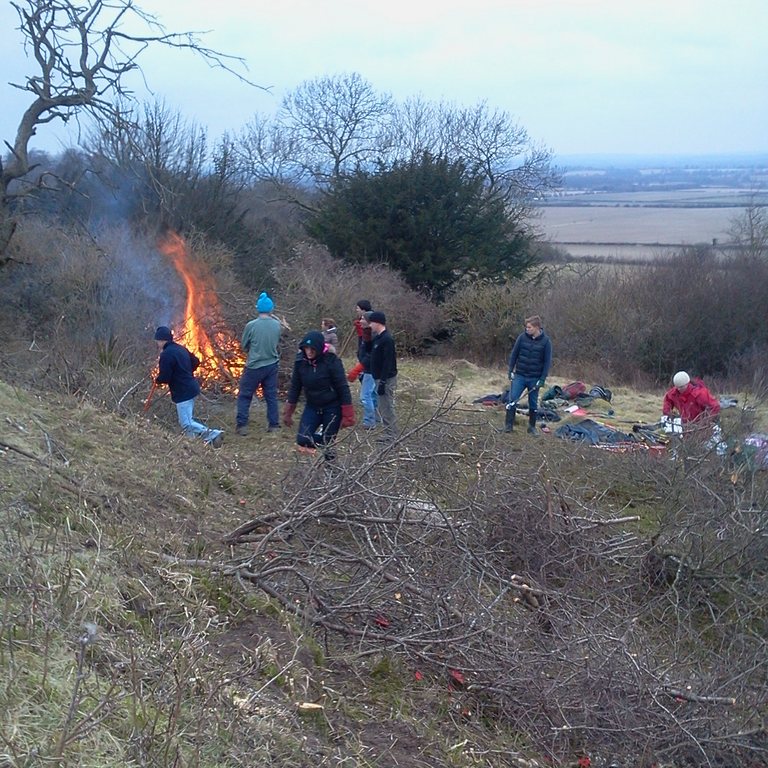 However, many of the products generated in the past have become less important today. There is still some firewood produced, but much of the material just gets burned on open fires in the wood.
This seems to be something of a waste. The burning process itself is reversing or cancelling an 'ecosystem service' the woodland provides by capturing carbon (completely for free).
On the fire the carbon is being returned to the atmosphere where it adds to climate change.
The brash, on the other hand, though no longer needed for the most part, could be stacked.
In many woods deer eat out the lower levels of the vegetation and thereby do serious damage to the ground, field and shrub layers. Plate XI in Oliver Rackham's History of the Countryside shows a good example in Hayley Wood in Cambridgeshire [3].
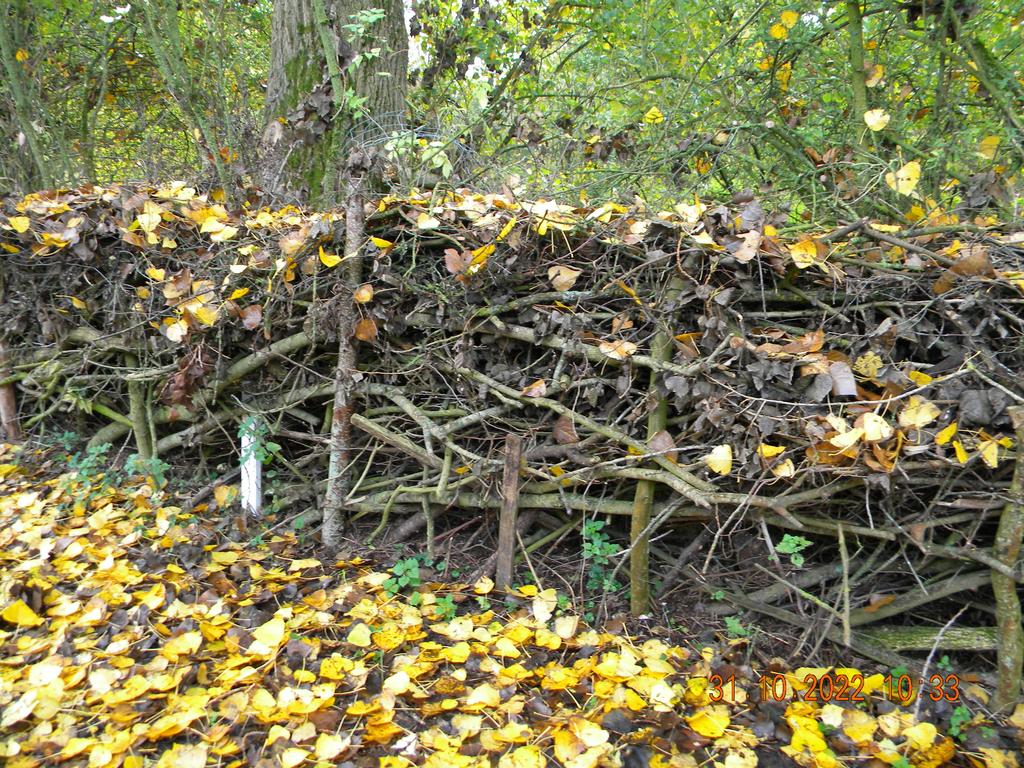 Brash can be stacked in parallel lines, which apparently deters the deer from entering an area.
The brash stacks will gradually decompose and in the process encourage fungi, also detritivores such as molluscs, woodlice, beetles, and so on, adding to the invertebrate diversity.
References
[1] Simms, E. 1971. Woodland Birds. Collins, St James’s Place, London.
[2] Fuller, R.J. 1982. BIRD HABITATS in Britain. T & A D Poyser, Calton.
[3] Rackham, O. 1986. THE HISTORY OF THE COUNTRYSIDE. J.M.Dent, London.